
01
Sportsmanship and Culture
Pay attention to how values such as rule awareness, cooperation, fairness, persistence and respect are formed in training, competition and daily sports, and discuss the expression of sports in social culture.
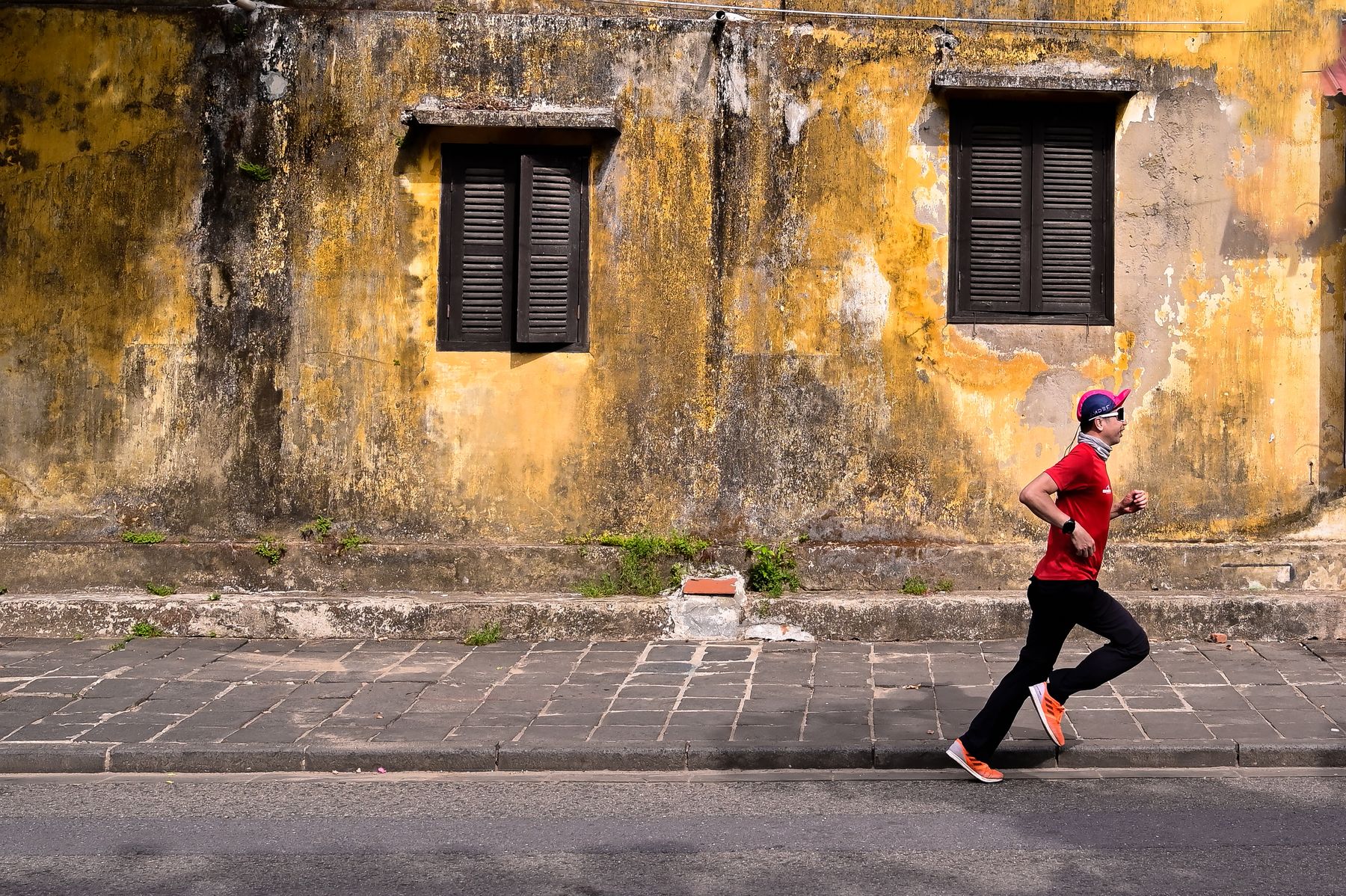
Put training, education, rules awareness and community participation into a common socio-cultural context
Sports is not only training and competition, but also the process of establishing relationships between people and their bodies, rules, peers and public space. Sports Humanities focuses on the cultural meaning behind sports experiences and discusses how bodily practices influence personal growth, social participation, and shared memory.
The association understands sports from a cultural and social perspective and values sportsmanship, educational practice, community participation and video recording. Professional discussions focus not only on the sport itself, but also on how different groups of people gain access to participation opportunities, and how sports content can be expressed accurately and respectfully.
Research objects in the field of sports include training methods, educational experiences, community sports, public venues, sports images and oral materials. The association values the diverse perspectives of sport participants, educators, coaches and researchers so that knowledge about the body and sport can be based on real practice and verifiable records.
Through continuous observation and data collection, sportsmanship no longer remains in abstract slogans, but can be embodied in rule observance, mutual respect, teamwork, body awareness and long-term participation.
Understand the social and cultural significance of sports from the four levels of value, growth, participation and recording.
Pay attention to how values such as rule awareness, cooperation, fairness, persistence and respect are formed in training, competition and daily sports, and discuss the expression of sports in social culture.
Put body cognition, exercise habits, team experience and healthy living into the context of growth, and understand the connection between physical education and youth development, school life and family participation.
Look at how community sports, urban public spaces and mass sports build social connections, paying attention to the ways in which people of different ages and physical abilities gain access to opportunities to participate.
By recording sports figures, places and events through photography, video, oral narratives and documents, sports experiences can be reviewed and studied, and a cultural narrative for the public can be formed.
The value of sport is not only defined by performance, but also by sustained participation, mutual respect, physical awareness and social connection.
Organize the participation experience of people of different ages, physical conditions and sports backgrounds, and pay attention to how training methods, site conditions and support relationships affect continued participation.
Recording the sports process through text, photography, video and oral materials enables sports practices to be reviewed and compared, and becomes a reliable material for the study of community and urban life.
Present sports knowledge in a clear, respectful and verifiable way, bringing rule awareness, body awareness and collaborative experience into education, public discussion and cultural communication.