
Let cultural memory continue to happen in contemporary life
Understanding cultural continuity through local knowledge, technical practice and public interpretation
Cultural inheritance is not only about preserving visible forms, but also about understanding how language, rituals, techniques, materials and life experiences are shaped within specific social relationships. The association pays attention to Vietnamese local culture and its diverse expressions, respecting the connection between local knowledge, practical subjects and cultural contexts.
In recording and dissemination, cultural content needs to have clear sources, accurate expressions, and clear rights boundaries. When traditional knowledge enters contemporary education, exhibitions, publishing or digital media, its inner logic should be preserved and understanding re-established in a way that is appropriate for today's public.
The association mainly observes oral materials, images, craft processes, documentary records and public activities, and promotes mutual verification of different forms of cultural materials. For practices that continue to occur in the community, emphasis is placed on the experience and expression of participants; for content that enters archives and exhibitions, a complete description of time, provenance, and scope of use is emphasized.
From cultural memory to data preservation
Starting from the cultural object itself, we take into account practical continuity, public interpretation and long-term preservation.
- 01Local culture and oral traditions
- Pay attention to local history, festival rituals, folk narratives, music, dance and life knowledge, preserve their social context through interviews, texts, images and sound materials, and pay attention to the subject position of knowledge holders in recording and dissemination.
- 02Techniques and Materials
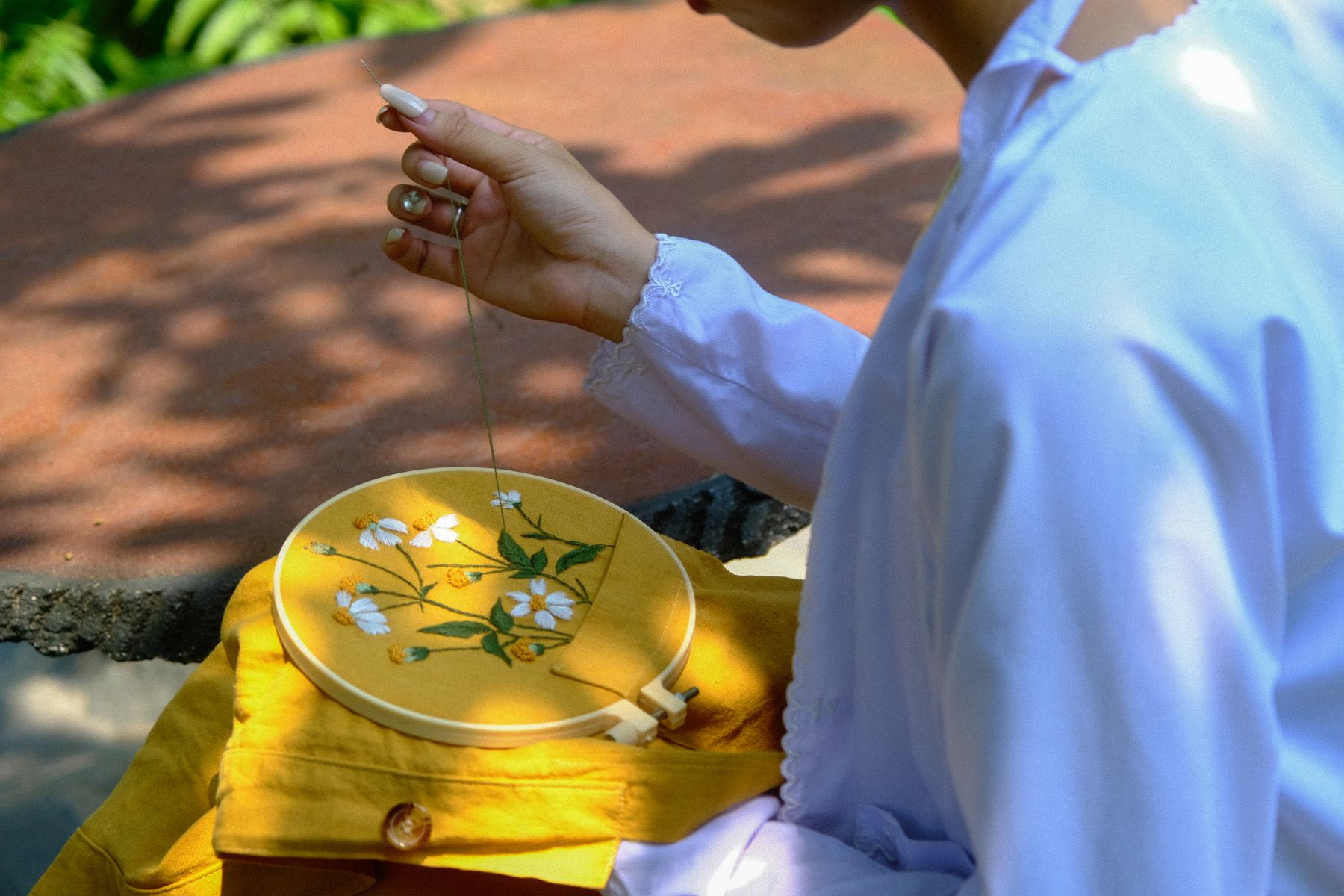
- Focusing on textiles, embroidery, pottery, woodwork and other traditional skills, we understand the relationship between material selection, production process, aesthetic experience and intergenerational inheritance, so that skills records can serve learning, research and continuous practice.
- 03public culture and community
- Focusing on cultural expression in museums, cultural spaces, community events, and public education, we discuss how local culture can enter contemporary public life in a respectful, legible, and participatory way.
- 04Archives and Digital Preservation
- Pay attention to the organization of documents, images, recordings, videos and object information, and clarify the source, time, rights and usage boundaries, so that cultural materials have a basis for long-term review, research and dissemination.
Continuation does not mean copying, and updating does not mean breaking away from tradition.
Identify continuities in cultural practices amid change and preserve clear sources of knowledge for contemporary expression.
Cultural practices continue to change across generations, geographies, and media. The association attaches great importance to the observation of the process of change, paying attention to the new expressions of traditional forms in education, design, performance, public space and digital content, while identifying which content belongs to historical data and which is still happening in real life.
The research, display and dissemination of cultural content should allow the public to see the knowledge behind the skills, the relationships between characters and the experience of local society, rather than reducing tradition to a single symbol. Clear contextual explanations and traceable materials are the basis for maintaining depth in contemporary expressions.