
01
Culture and Education
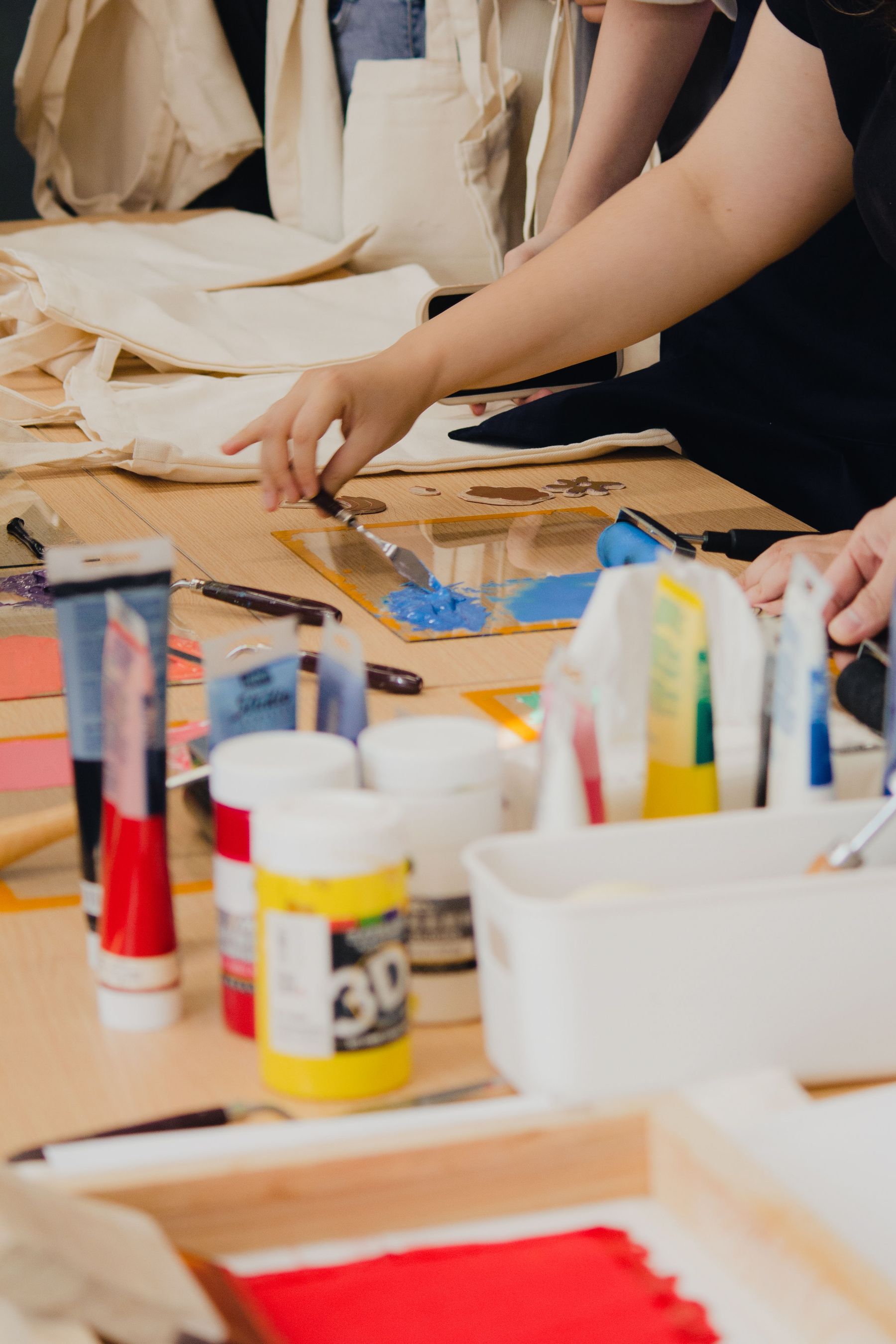
Transform cultural research, local knowledge and artistic expression into understandable educational content, paying attention to the adaptation between knowledge sources, teaching objects and expression methods.
Establish sustainable collaboration with clear agenda, professional division of labor and responsibility for results
interdisciplinary collaboration is not about simply juxtaposing culture, sports and art, but rather identifying common problems first, and then having different majors provide their own methods, experiences and judgments. Clear topics allow researchers, creators, educators, and practitioners to complement each other while maintaining professional boundaries.
The association focuses on cross-cutting issues such as public education, community and space, youth development and digital communication. Collaboration content not only attaches importance to common goals, but also to participation roles, knowledge sources, expression responsibilities and achievement attribution, so that the connection between different professions is based on respect and understanding.
Each collaboration should describe the topic background, participating roles, working methods, stage arrangement and the purpose of the results. By continuously recording task division, professional judgment and public expression, cross-border work can be transformed from a one-time activity into a reviewable and sustainable long-term cooperative relationship.
Each topic requires that different areas retain their own methods and clearly relate to each other under a common goal.
Transform cultural research, local knowledge and artistic expression into understandable educational content, paying attention to the adaptation between knowledge sources, teaching objects and expression methods.
Connecting physical practices, public spaces and community engagement enables sporting experiences to enter into dialogue with urban life, youth development and socio-cultural observation.
Discuss how art, design and performance enter communities, venues and urban spaces, and address work context, public experience and place responsibility.
Combining images, interactive media and digital platforms to organize cultural content, paying attention to youth creation, media literacy and the rights and responsibilities in online communication.
The quality of collaboration comes from clear topics, complementary approaches, and a complete description of the process that led to the results.
Collaboration starts from issues that can be jointly understood, explains the realistic background, main objects and expected values, and avoids weakening the professional content of each field for the sake of formal integration.
Research, training, creation, education and communication each have different roles, and reliable working relationships are established through division of tasks, staged communication and professional explanations.
Explain the participation relationships, knowledge sources, usage boundaries and public presentation methods of the texts, works, activities and digital content formed, and maintain the professional responsibilities of all collaborating parties.