
01
visual arts
Covers painting, sculpture, installation, crafts and related visual practices, focusing on the relationship between materials, forms, concepts, creative processes and display contexts.
From work formation, professional interpretation to exhibition performance, establish a complete artistic content context
Art practice starts from creation, but does not end with the completion of the work. Material selection, physical experience, concept formation, professional criticism, exhibition performances and public viewing together constitute the complete process of the work entering the social and cultural context.
The association pays attention to the languages and methods of different artistic disciplines and supports professional discussions on the creative process, interpretation and display of works. When artistic content enters public spaces, publications or digital platforms, the work information, author rights and media characteristics should be kept clear and identifiable.
Work objects in the art field include works, rehearsal and production processes, exhibition performance records, critical texts, creator materials and media technology information. By continuously sorting out these contents, the artistic results can not only be understood by the current public, but also retain reliable basis for subsequent research, display and professional communication.
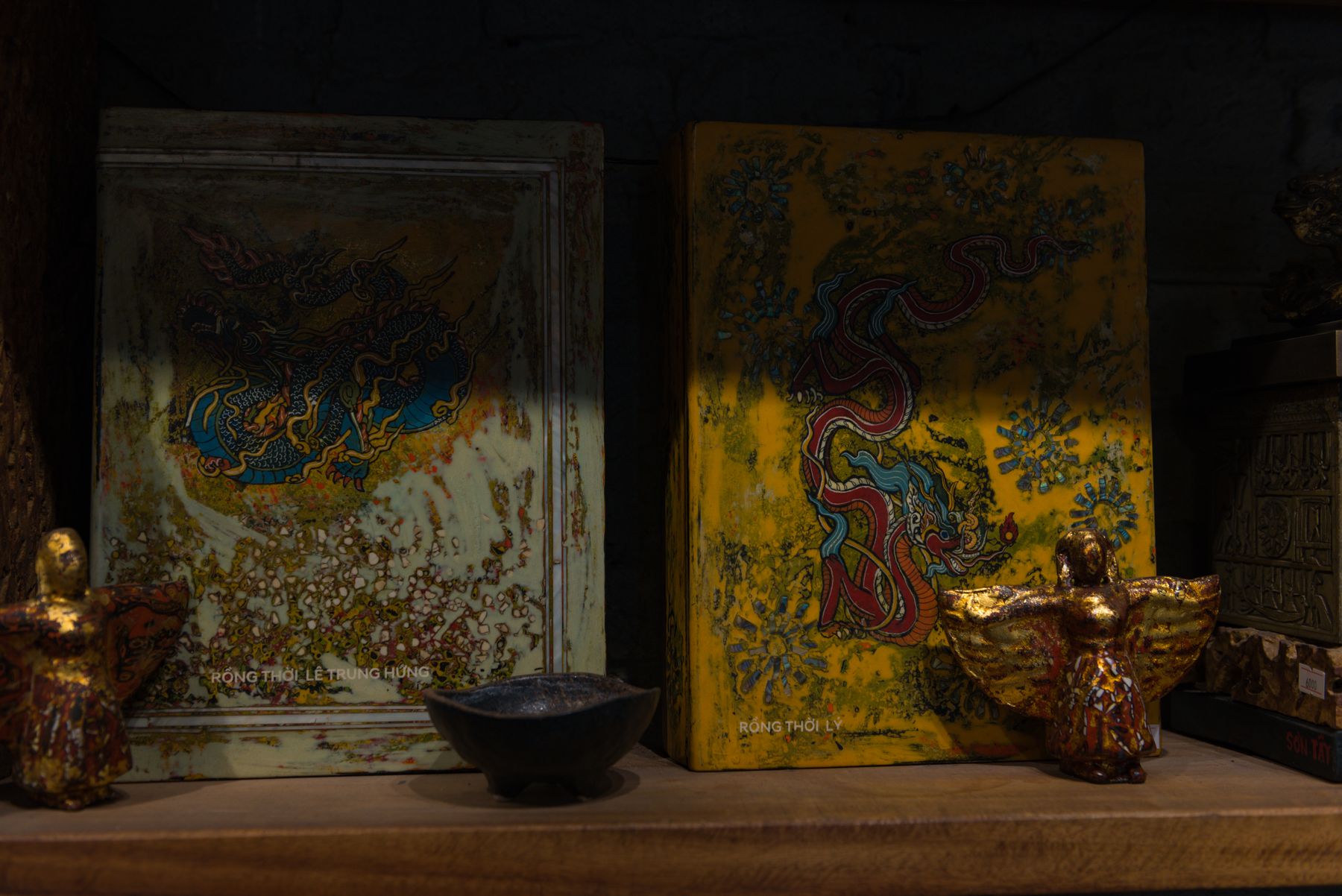
Organize content by creative objects and media so that different artistic practices retain a clear professional context.
Covers painting, sculpture, installation, crafts and related visual practices, focusing on the relationship between materials, forms, concepts, creative processes and display contexts.
Covering music, dance, drama and practices centered on the body and the scene, it focuses on creation, rehearsal, performance, criticism and audience experience.
Focus on how design, photography, film, and moving images organize visual information, record social experience, and establish clear expression in public communication.
Focus on the creative methods brought about by digital technology, sound, interactive media and composite materials, and discuss the relationship between media changes and artistic judgment and preservation methods.
Connect creative research, critical presentation and work archives into a continuous professional record.
Record creative issues, material methods, rehearsal experiments and media selection, explain the conditions and judgments under which the work was formed, and make the creative process a professional content that can be discussed, compared and accumulated.
Establish a viewing path through criticism, curation, performance and public interpretation, explain the cultural context, artistic issues and display relationships of the work, and help the public form an understanding based on sufficient information.
Save the title of the work, creation time, media specifications, author information, display records and necessary authorizations so that the artistic results can be continuously viewed and studied while respecting the boundaries of rights.